VELKORA JOURNALHOME ESSENTIALS
Product Care & Maintenance

Care that lasts.

From the first morning smoothie to the last dish on the table, the things you use every day deserve thoughtful care. This practical guide helps you keep your kitchen essentials clean, performing beautifully, and ready for what comes next.
14 product categories Everyday care made clear Built for lasting use
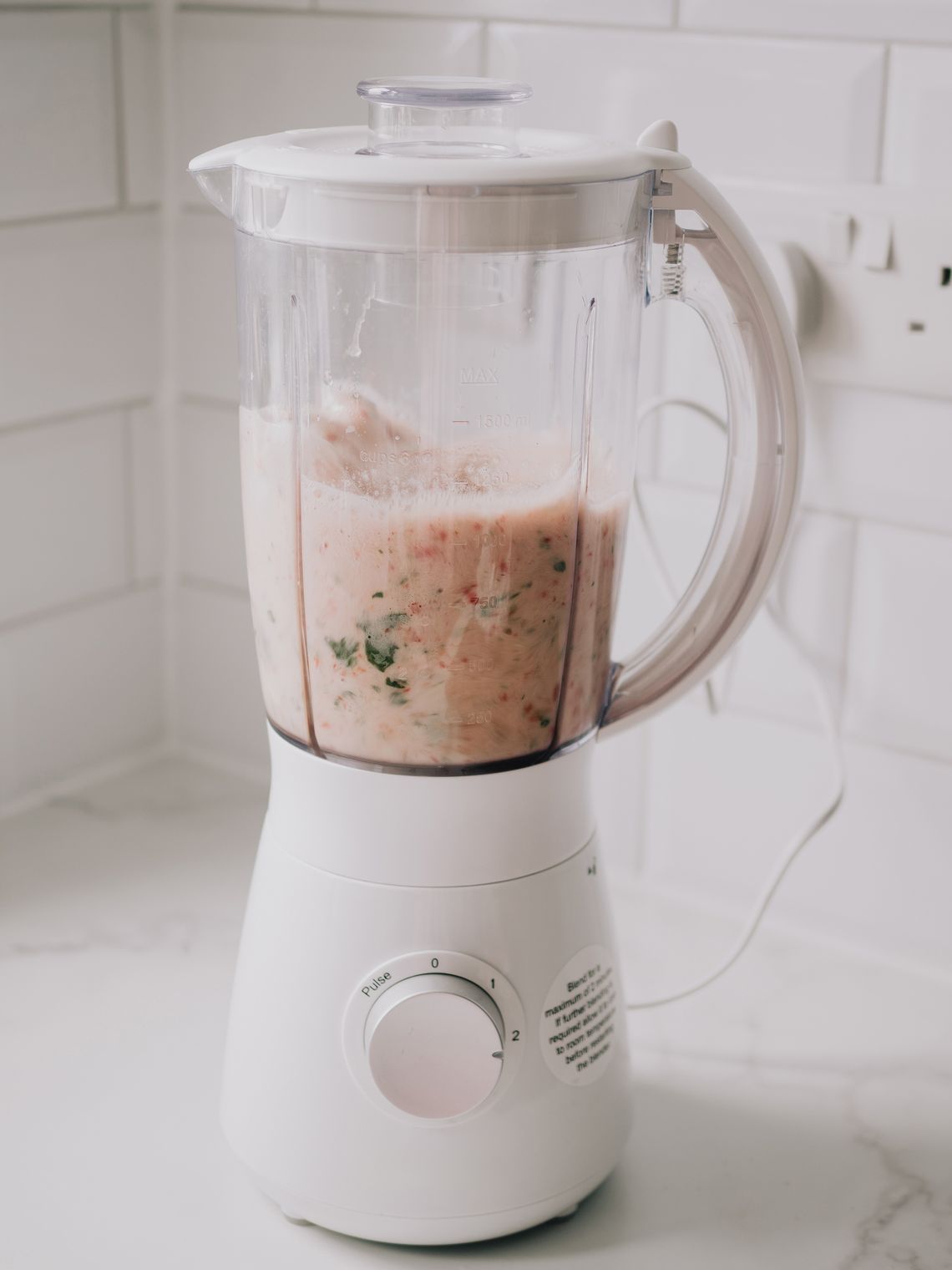
White countertop blender preparing a fresh smoothieThe everyday essentials edit
The foundation

Four habits. Better care.

Good maintenance is usually simple. Start with these habits before moving into the specific care guidance below.

CARE RULES / 01—04
01

Check the instructions

Always follow the specific product manual and material label. They take priority over general advice.

02

Clean after use

Remove residue early with gentle cleaning methods suited to the item and its finish.

03

Dry completely

Allow water to drain and dry before reassembly or storage to help reduce moisture buildup.

04

Store with intention

Give blades, coatings, electrical components, and delicate finishes the protection they need.

Chapter one / Daily power

Countertop appliances

Keep the machines behind your daily rituals in their best working condition by caring for the parts you can safely access.

Before cleaning: Switch off, unplug where applicable, and let hot appliances cool. Keep plugs, motors, and electrical housings out of water.
Modern espresso machine brewing a fresh cup of coffee01 / The daily power edit

Blenders & Smoothie Makers

01
CleanRinse the jar promptly; wash removable parts as directed and take care around exposed blades.
MaintainCheck the lid seal and gasket for residue, wear, or trapped moisture.
AvoidDo not immerse the motor base or run the blender without properly fitted parts.

Coffee & Tea Makers

02
CleanRinse brewing baskets, pitchers, tea infusers, and removable drip trays regularly.
MaintainDescale at the intervals and with the solution recommended in your machine's manual.
AvoidNever submerge electrical parts or use abrasive scrubbers on sensitive finishes.

Air Fryers & Electric Cookers

03
CleanOnce cool, remove grease from baskets, trays, cooking bowls, and other approved removable parts.
MaintainKeep accessible air vents clear and inspect silicone seals where fitted.
AvoidDo not soak the heating unit, block airflow, or use metal scrubbers on coated baskets.

Toasters & Breakfast Appliances

04
CleanUnplug, let cool, then empty an accessible crumb tray and wipe exterior surfaces.
MaintainKeep crumbs and splashes away from controls and exposed heating areas.
AvoidNever insert utensils into a plugged-in toaster or wash the appliance body under water.
Full-length chef, face to shoes visible, seasoning a steaming frying pan in a professional kitchen02 / The heat and finish edit
Chapter two / Heat & finish

Cookware with character

Thoughtful washing, sensible heat, and gentle storage help maintain the finish and cooking experience of your favorite pieces.

Know your surface: Nonstick, stainless steel, cast iron, aluminum, and enameled cookware require different cleaning and seasoning practices.

Frying Pans & Skillets

05
CleanLet cool before washing; use a soft sponge on nonstick and delicate coatings.
MaintainSeason bare cast iron when appropriate; use pads between stacked pans.
AvoidSudden temperature shocks, overheating empty pans, and metal tools on nonstick surfaces.

Saucepans & Cooking Pots

06
CleanWash interiors, rims, handles, and lid edges after the pot cools down.
MaintainDry around rivets and joints; match heat and cleaning methods to the pot's material.
AvoidOverheating empty cookware or using products that may damage its finish.

Baking Pans & Accessories

07
CleanLoosen baked-on residue with warm water when the pan has cooled; wash gently.
MaintainDry edges and seams completely; protect nonstick layers during storage.
AvoidSharp scraping, unsuitable temperature settings, and abrasive cleaning on coatings.
Chapter three / Precision & prep

Tools for the details

Preparation is about control. Protect cutting edges, wash food-contact surfaces correctly, and keep your tools ready for the next recipe.
Kitchen hygiene: Clean and sanitize food-contact surfaces when needed, especially after handling raw meat, poultry, seafood, or eggs.
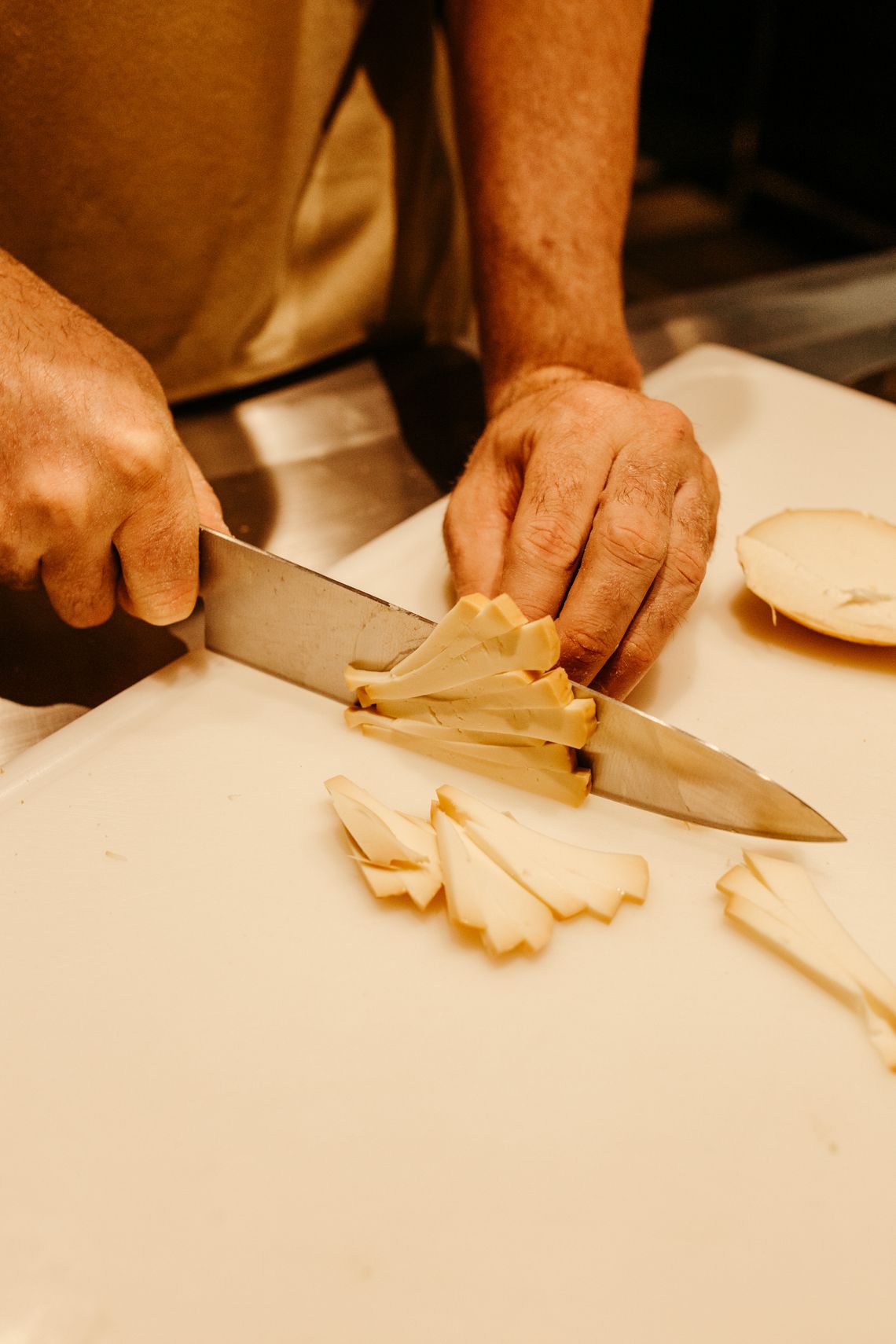
Hands carefully cutting fresh vegetables with a kitchen knife03 / Precision in every detail

Kitchen Knives & Knife Sets

08
CleanWash by hand with care, keeping the blade pointed away from you; dry immediately.
MaintainHone or professionally sharpen when appropriate; use a block, guard, or secure rack.
AvoidLeaving loose blades in sinks, drawers, or contact with other utensils.

Cutting Boards & Chopping Tools

09
CleanWash after use and properly sanitize after raw animal products; follow board-specific guidance.
MaintainDry upright when possible; condition unfinished wood with food-safe oil as directed.
AvoidSoaking wooden boards, exposing them to prolonged moisture, or using deeply damaged surfaces.

Cooking Utensils & Gadgets

10
CleanWash joints, handles, hinges, and removable parts where food can collect.
MaintainCheck moving parts and dry wood, silicone, or metal completely before storing.
AvoidExposing tools to heat above their stated rating or using damaged utensils.

Measuring & Mixing Tools

11
CleanWash measuring cups, scoops, whisks, and bowls, including narrow crevices.
MaintainKeep measurement markings legible and dry nested items before putting them away.
AvoidHarsh scouring on printed markings or thermal stress on materials not rated for it.
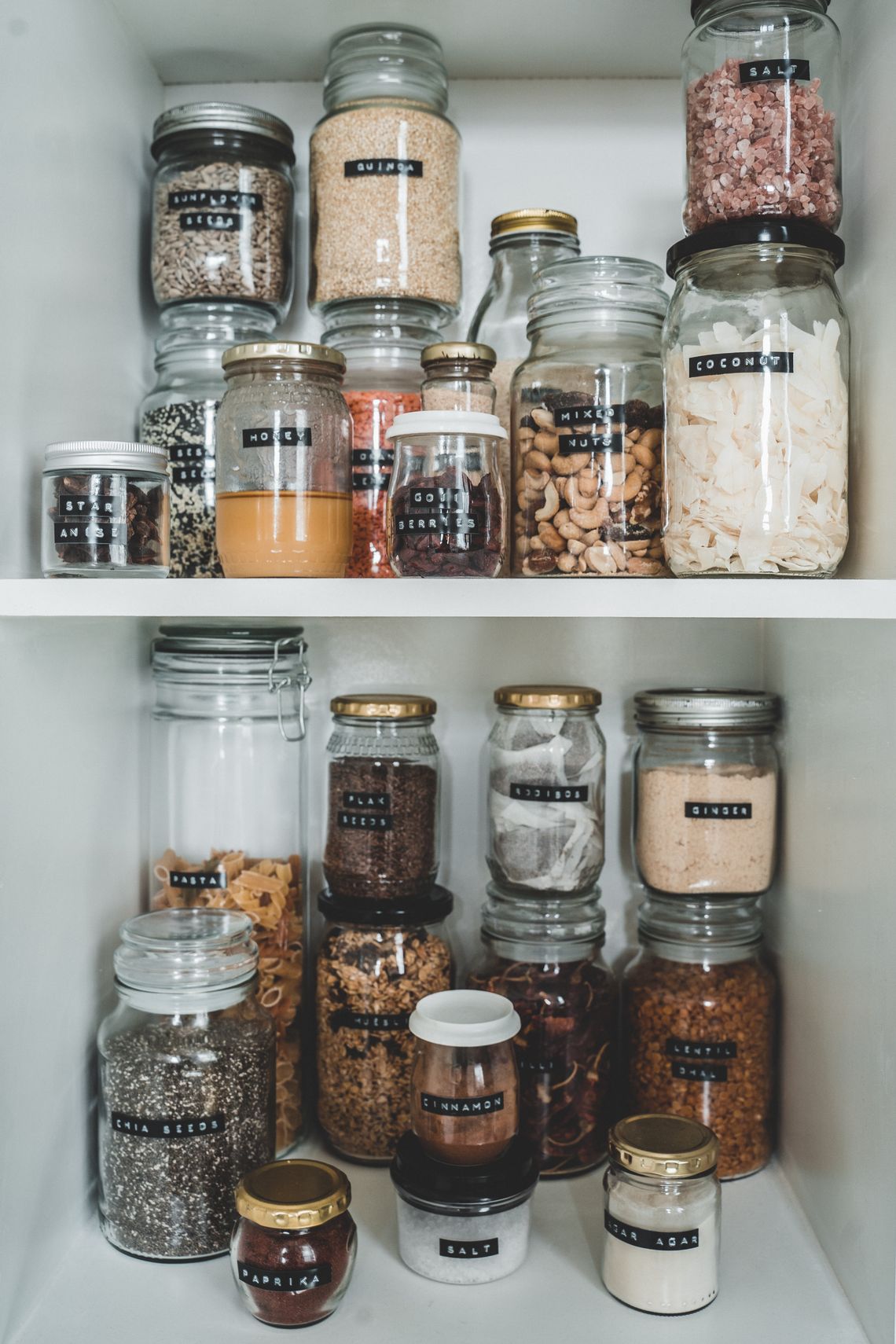
Glass pantry jars with dry ingredients arranged neatly on kitchen shelves04 / Order in every corner
Chapter four / Store & serve

Keep the good things

A considered pantry, well-kept food containers, and cared-for tableware make daily meals easier and entertaining more enjoyable.

Food storage: Follow food-safety guidance for cooling, refrigerating, and dating prepared meals. Appliance-safe, microwave-safe, and dishwasher-safe labels are not interchangeable.

Food Containers & Meal Prep

12
CleanWash lids, seals, and containers thoroughly; remove gaskets if the maker permits.
MaintainDry completely, inspect seals, and follow each material's food and heat ratings.
AvoidHeating tightly sealed containers or microwaving items not specifically marked safe.

Pantry & Kitchen Organizers

13
CleanEmpty and wipe bins, racks, and shelves periodically; wash food-contact pieces as directed.
MaintainKeep dry goods sealed and check containers for moisture or damage.
AvoidOverloading shelving or placing organizers near heat sources beyond their ratings.

Dinnerware & Serving Accessories

14
CleanWash ceramics, glassware, serving boards, and accessories using material-safe methods.
MaintainDry before stacking; separate fragile pieces to prevent contact scratches.
AvoidExposing delicate finishes or non-rated items to ovens, microwaves, or dishwashers.
A simple maintenance ritual

The weekly reset

Set aside a few minutes to care for the pieces that work hardest. Check off each task as you go—small habits help keep your kitchen ready for the week.
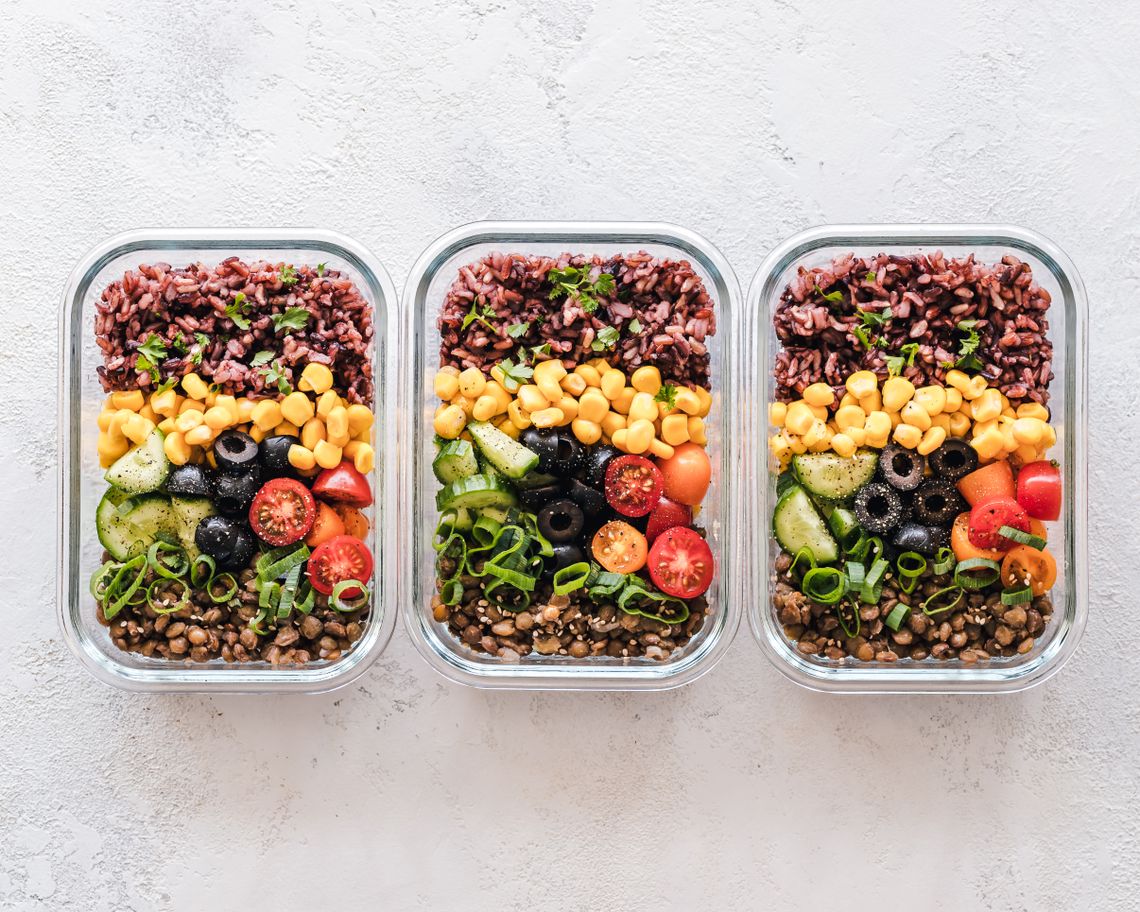
Organized colorful prepared meals in reusable glass containersMade for effortless routines
Minimal white ceramic dinnerware arranged on a wooden tableThe material matters
Material intelligence

Know what it's made of

Finishes react differently to heat, moisture, detergents, and abrasion. Start with the manufacturer's care label, then use these quick material reminders.

Worth remembering: A dishwasher-safe label does not always mean a product is oven-safe, freezer-safe, or microwave-safe.
✦

Nonstick coatings

Choose soft cleaning tools, avoid overheating, and separate pieces during storage to protect the surface.

✦

Stainless steel

Clean with nonabrasive methods appropriate for the finish and dry to minimize spotting.

✦

Cast iron

For bare seasoned iron, dry promptly and maintain seasoning as instructed. Enameled iron follows different rules.

✦

Wood & bamboo

Usually best cleaned promptly by hand, not soaked, and dried with good airflow.

✦

Silicone & plastics

Observe individual temperature limits; discard items that are cracked, degraded, or no longer food-safe.

✦

Glass & ceramics

Avoid sudden temperature changes and respect maker-specific heating and washing instructions.

A little extra clarity

Care questions

Answers to the common maintenance questions that come up when caring for daily-use kitchen pieces.

How do I know if a product is dishwasher-safe?

Check the instruction manual, packaging, or product marking. Removable parts may have different care requirements from the main product, especially for electrical appliances.

Can I immerse an electrical kitchen appliance in water?

Do not immerse any motor housing, electrical base, plug, or control assembly unless the manufacturer explicitly states it is designed for that cleaning method. Disconnect power before cleaning.

What should I use on a nonstick surface?

Follow your product instructions. As a general approach, use soft sponges and nonabrasive cleaning products, and avoid sharp utensils or severe temperature changes.

How often should coffee makers be descaled?

Frequency depends on water hardness, machine design, and usage. Use the descaling schedule and solution listed in your particular machine's manual.

What if an item is damaged or stops performing properly?

Stop using any product with an electrical fault, damaged cord, compromised food-contact surface, loose blade, or other safety concern. Review the manual and ask the support team for help with your order or product details.

What is Velkora's return and exchange window?

Velkora offers free returns and exchanges within 30 days, subject to applicable return conditions. Our support team is available 24/7 to help with the next step.